
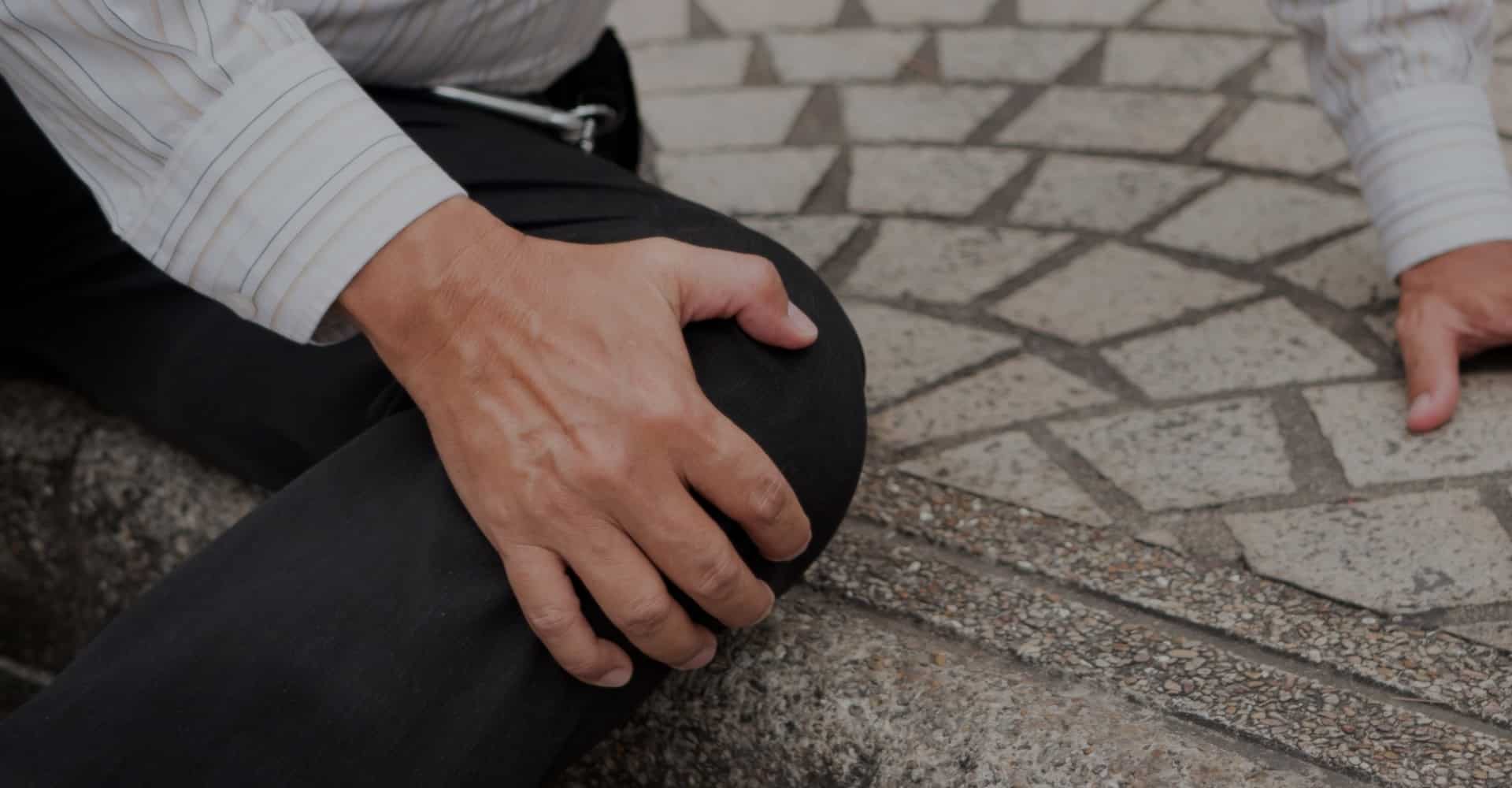
Slip and fall cases are harder to win than most people assume because falling on someone’s property is not enough on its own. To recover compensation in California, you have to prove the property owner knew, or should have known, about the dangerous condition and failed to fix it or warn you. That single requirement, called notice, is what most cases rise or fall on, and it’s why strong evidence gathered early matters more here than in almost any other type of injury claim.
If you’ve been hurt in a fall, this is worth understanding before you assume your case is a sure thing, or give up on it too soon.
Why these cases are genuinely difficult
In a car accident, fault is often clear within minutes. Someone ran a red light, rear-ended you, or drifted into your lane. A slip and fall is different. The property owner almost always argues one of two things: that they didn’t know about the hazard, or that you weren’t paying attention to where you were walking.
To win, you generally have to establish three things. First, that a dangerous condition existed. Second, that the owner knew about it or reasonably should have known. And third, that the condition is what caused your injury. The middle piece, notice, is the hardest. If you slip on a spill that happened thirty seconds before you walked by, the owner may genuinely not have had time to address it, and that can defeat the claim. But if that same spill sat there for three hours with no cleanup and no warning sign, now you have a case.
The other side will try to blame you
California uses comparative fault, which means the property owner’s insurer will try to shift as much responsibility onto you as possible. Every percentage of blame they pin on you reduces what you recover. Expect arguments like you were looking at your phone, you were wearing the wrong shoes, or the hazard was “open and obvious,” and you should have avoided it. None of these automatically ends your case, but they’re why having an attorney who can push back matters.
What actually makes your case stronger
The cases that succeed are almost always the ones where the right evidence was captured in the moment. Here is what makes the difference:
Photograph the hazard before anyone cleans it up. This is the single most important thing you can do. Once the spill is mopped or the broken step is repaired, the proof is gone. Take pictures of the condition, the surrounding area, and anything that shows how long it may have been there.
Report it and get it in writing. Tell the manager or property owner immediately and ask for a written incident report. Get a copy. This creates a record and a timestamp.
Get witness information. Anyone who saw you fall, or saw the hazard beforehand, can help establish notice. Collect names and phone numbers before they leave.
Seek medical care right away. A gap between your fall and your first doctor’s visit is the first thing the insurance company uses to argue you weren’t really hurt. Prompt treatment protects both your health and your claim.
Preserve what you were wearing. Your shoes and clothing can become evidence, especially if the other side tries to claim your footwear caused the fall.
What this means for you
The honest truth is that slip and fall cases are winnable, but they are won on preparation, not on sympathy. The property owner and their insurer will not simply pay because you were injured on their premises. They will test whether you can prove they were at fault, and they will look for any reason to reduce or deny your claim. The stronger your evidence, the stronger your position.
At the Law Office of Eduard Braun, P.C., we handle slip and fall cases in Sherman Oaks and throughout Southern California, and we know exactly what it takes to prove notice and hold property owners accountable. Attorney Eduard Braun brings over 20 years of healthcare experience to every case, which gives him a sharp understanding of how your injuries connect to the fall and why they matter. If you’ve been hurt in a fall and you’re not sure whether you have a case, the honest way to find out is to ask.
Call 818-796-4529 for a free case review.